Ancient DNA provides evidence of earliest known plague outbreak
Discovery in Siberia suggests bacterium from raw marmots devastated hunter-gatherer tribes about 5,500 years ago
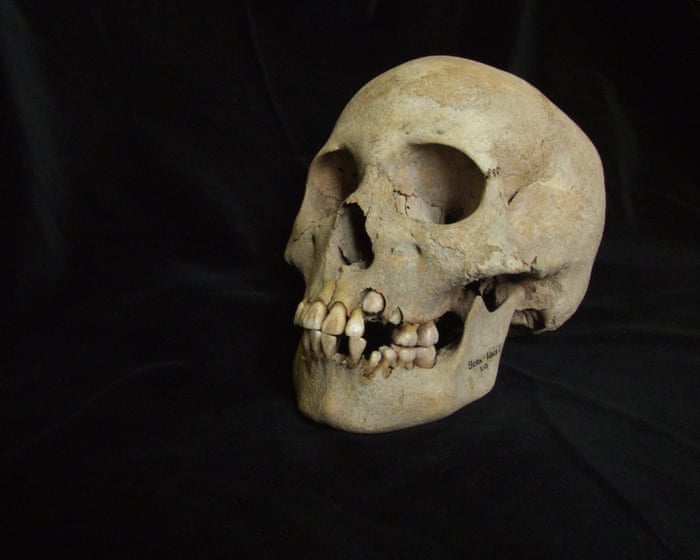
The earliest evidence for an outbreak of plague has been uncovered at late stone age cemeteries in south-eastern Siberia where dozens of hunter-gatherers and their children were buried.
Ancient DNA collected from the remains suggests the disease tore through the sparse communities in devastating waves that began about 5,500 years ago, at least two centuries after the bacterium responsible, Yersinia pestis, first emerged.
Continue reading...


