Andy Burnham says he will go ‘faster’ than Starmer. Why is that so hard?
Is the machinery of state jammed, or is the reason for the slow pace of change more personal than institutional?
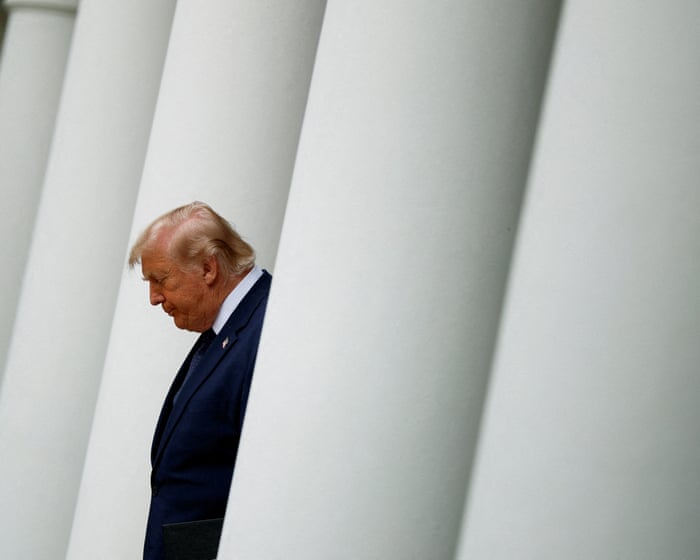
Eighteen months into the 24 it turned out he would last in No 10, Keir Starmer was a man in a hurry. The biggest frustration with the job, he told MPs, concerned “speed and the ability to get things done”. The underlying problem, he thought, was that every time something had gone wrong in the past, “successive governments have put in place another procedure or another body or another consultation to try to stop ourselves ever making a mistake again”.
In airing his impatience, if little else, Starmer is in tune with the country he has become too unpopular to lead. Julian Gallie, a pollster at Merlin Strategy, says voters have been “crying out for change for a decade”, even if they have sent inconsistent signs about what sort of change it should be. The Brexit vote, the Corbyn surge of 2017, the Johnson majority of 2019 and the Tory rout of 2024 can all be seen as “a desperate roll of the dice against a status quo” that somehow feels impossible to shift.
Continue reading...
Jul 20, 2026
Andy Burnham
Politics
Labour